Bedding · Fiber guide
Choosing a Blanket by Fiber, Weave, and Season
A blanket can look inviting and feel soft in the hand, but the details that shape everyday comfort go deeper than first impressions. Fiber influences warmth and breathability; weave affects drape and texture; and weight determines whether a layer feels cozy or cumbersome. Understanding how these elements work together makes it easier to choose the right blanket for a cool bedroom, a mild evening, or the changing seasons in between.
From lofty alpaca to breathable cotton and softly insulating cashmere, each material brings its own character. The right choice depends not only on the fiber label but also on how the blanket is made, how you plan to use it, and what care it requires. Think of this guide as a practical starting point for comparing bedding layers with confidence.
Begin with the fiber, not just the softness
Softness is an appealing first clue, but it cannot tell the whole story. A blanket may feel plush yet be too warm for a heated bedroom, or light in the hand yet provide welcome insulation on a cool night. Fiber offers a useful first indication of how a textile may behave, while construction and weight fill in the rest of the picture.
Natural fibers are often chosen for their distinctive feel and performance. Cashmere and alpaca are prized for warmth without a heavy, stiff drape. Cotton is valued for its breathable, familiar feel and versatility. Wool brings insulating character, while silk can provide a smooth, light layer. Blends combine fibers to balance qualities, though the precise result depends on the percentages, yarns, and construction.
It helps to read a material description as a set of clues rather than a promise that every blanket of a particular fiber will feel identical. A tightly woven cotton layer behaves differently from an open cotton knit. A brushed wool blanket has a different surface from a smooth, fine-gauge wool weave. The fiber is the beginning of the comparison—not the conclusion.
Cashmere: light warmth and a graceful drape
Cashmere is associated with an exceptionally soft hand and warmth that does not necessarily come with a bulky feel. As a blanket, it can be a refined extra layer for a bed or living space, particularly when you want gentle insulation and fluid drape rather than a thick, weighty cover. Its fine feel makes it appealing for close contact, though personal sensitivity and the specific fabric finish matter.
Cashmere is not automatically the easiest choice for everyday laundering. Some blankets require dry cleaning, so it is important to check the care label and consider how the textile will be used. A treasured, occasional layer may suit a different care routine from a blanket that is regularly folded onto a busy family sofa.
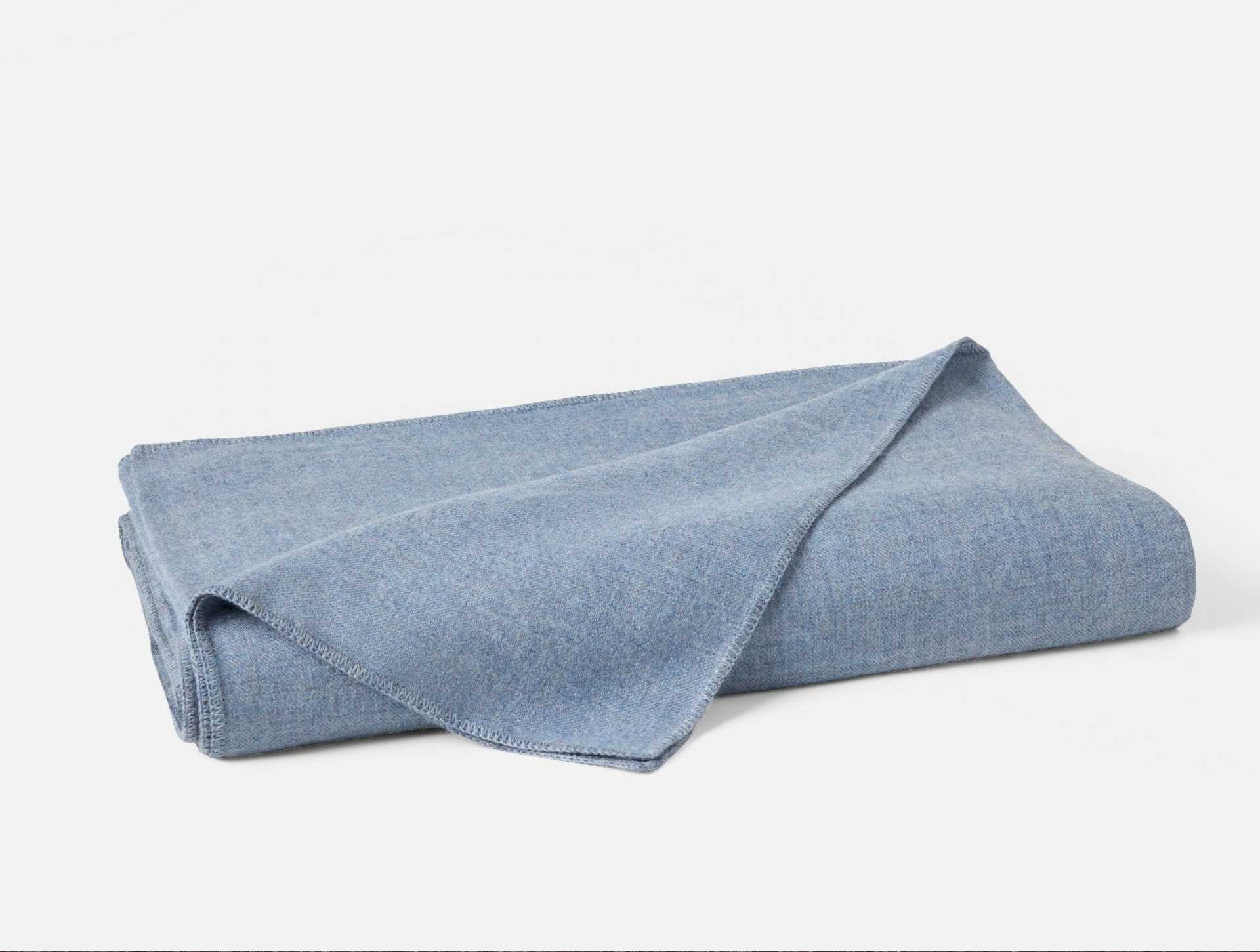
For example, the Santa Lucia Cashmere Blanket is described as 100% cashmere in a diagonal twill weave, with a soft feel and fluid drape. Its dry-clean-only care instructions are worth weighing alongside its material and intended use.
Alpaca: insulation with a light feel
Alpaca blankets are often chosen for warmth paired with a relatively lightweight feel. Their performance depends on the particular fiber and construction, so a close look at weave and finishing remains useful. A well-made alpaca layer may work across more than one season: it can add comfort in a cool room without feeling as dense as some heavier blankets.
The Pacaya Alpaca Blanket uses 100% baby alpaca fiber and a twill weave. It is described as soft, warm, and lightweight, with a blanket-stitched hem. Its dry-clean-only care requirement is an important practical consideration, especially if you expect to use the blanket frequently.
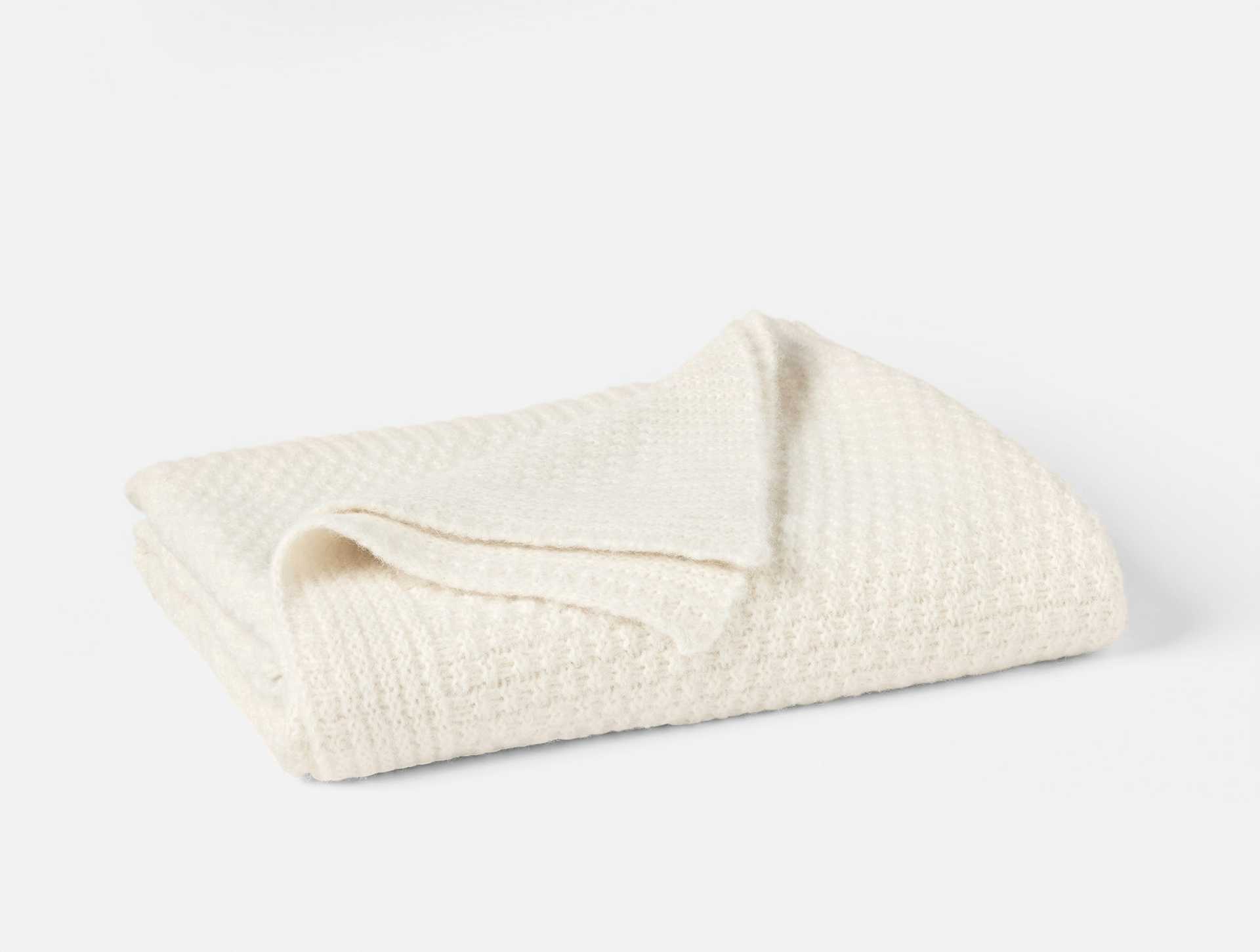
Blends can create another useful balance. The Cordillera Alpaca Cotton Knit Throw combines 56% alpaca with 44% Pima cotton in a seed stitch. The product description notes lightweight warmth from alpaca alongside cotton’s contribution to breathability and durability. This kind of combination can make sense when you want a textured layer that does not feel quite like a dense winter blanket. It is also listed as dry-clean-only, so its care needs should inform where and how you use it.
Cotton: breathable and adaptable
Cotton is a versatile choice for layering, especially when a breathable, familiar surface is a priority. Its feel varies widely: a fine, smooth cotton weave may feel crisp, while a brushed or chenille construction can be much softer and more substantial. Some cotton blankets are light enough for mild weather; others offer more texture, plushness, or warmth.
For an easy-care layer, check the specific instructions rather than assuming that every cotton blanket can be washed in the same way. Some products recommend a cold, gentle machine wash and low tumble drying, while other constructions may have different requirements. Following the stated instructions helps protect a blanket’s shape and surface.
Organic cotton is another detail shoppers may encounter. A certification, when listed, can help clarify that a product has been assessed against a defined standard; it does not mean every certified textile has identical softness, weight, or durability. Material sourcing and performance are related considerations, but they are not interchangeable claims.
Weave and construction change the experience
Two blankets made from the same fiber can feel surprisingly different. The way yarns are knitted or woven affects air movement, stretch, texture, drape, and the amount of warmth the fabric seems to hold. Finishing steps—such as brushing or washing—can change the surface again.
Open knits: texture with room to breathe
An open knit has visible spaces between stitches, which can give a textile a lighter, more relaxed appearance. The airy structure may make an openwork throw feel less dense than a closely knit blanket made from a similar fiber. It can be an attractive choice for a decorative bed layer or a mild evening, particularly when visual texture matters as much as insulation.
Airiness does not tell you everything about warmth. Fiber, yarn thickness, and the dimensions of the open spaces all matter. If a blanket is meant to provide substantial warmth on its own, compare its full construction and weight rather than relying on the knit pattern’s appearance.
Twill: a woven surface with fluid drape
Twill is a woven structure recognized by its diagonal visual effect. Depending on the yarn and fabric density, a twill blanket can have a smooth hand, a supple drape, or a more substantial feel. The weave can give a surface definition without requiring a bold pattern, making it a useful option for bedding that should feel considered but not visually busy.
The Pacaya blanket’s twill construction is one example of how fiber and weave can work together. Its listed composition is baby alpaca, while the weave contributes to the blanket’s softness and drape. When comparing textiles, look at these details as a partnership: fiber helps describe the material, and weave helps explain how that material has been shaped.
Brushed and chenille surfaces: softness you can see
Brushing raises or loosens fibers at the surface, often creating a softer, more tactile finish. Chenille yarns, meanwhile, are associated with a plush appearance and feel. These finishes can make cotton blankets feel cozier than a smooth, tightly woven cotton layer, though they may also affect how the fabric responds to washing and everyday friction.
Surface texture is part of a room’s visual language, too. A brushed finish can make a bed look softer and more relaxed; a flatter weave may read as neat and tailored. If the blanket will sit on a sofa or at the foot of a bed, consider how its texture looks beside other fabrics as well as how it feels against the skin.
Weight, warmth, and seasonal comfort
Terms such as “lightweight” and “warm” are helpful, but they are most meaningful when considered together. A light blanket may suit a warmer room, a summer layer, or someone who prefers a less bundled feeling. A heavier textile can be welcome in winter, but may feel excessive in a well-heated bedroom or under an already substantial comforter.
Consider the climate in your room rather than the calendar alone. A drafty bedroom in early autumn may call for more insulation than a well-heated room in the middle of winter. Likewise, a throw used on a sofa may need to work in short bursts of comfort, while a blanket intended for a bed may be part of a layered sleep setup through the night.
- For warm nights: Look for breathable materials and a construction that does not feel overly dense. A light layer can add comfort without turning the bed into a heat trap.
- For transitional seasons: Consider a versatile blanket or throw that can be used alone on mild nights and layered when temperatures dip.
- For cold rooms: Seek a fiber and construction that provide the insulation you need. A warmer blanket can be layered over lighter bedding rather than replacing every other layer.
- For year-round flexibility: Choose a blanket that is easy to move, fold, or store, and think about whether it will be shared between a bed and a seating area.
Weight is not the same as warmth. A dense blanket may feel substantial, while a lighter natural-fiber layer may still provide satisfying insulation. Nor does a single fiber guarantee a particular temperature experience: weave, yarn size, surface finish, room conditions, and other bedding layers all contribute.
Match the blanket to its room and role
A good choice begins with an honest description of how the blanket will be used. Will it sit neatly across the foot of a bed? Be pulled around your shoulders on the sofa? Serve as an extra layer on colder nights? One blanket can sometimes do several jobs, but not every construction is suited to every routine.
For the bed
On a bed, a blanket can add warmth, texture, or a final visual layer. Think about how it will sit with the sheets and comforter: an open knit may introduce airy texture, while a smooth twill can create a more composed finish. Size matters, too. A layer that is too small may not cover the area you intend, while a larger blanket offers more flexibility for tucking, folding, or sharing.
Consider how often you will remove and replace it, and whether the care routine fits your bedding schedule. A dry-clean-only blanket may be a good fit for occasional decorative or seasonal use, but less convenient if you expect to launder it regularly at home.
For the sofa or reading chair
A throw used in a living space is likely to be handled often. Look at the surface for snag-sensitive textures, check the washing instructions, and decide whether fringe or a more tailored edge better suits the room. A compact, easy-to-fold layer can be particularly practical in shared spaces where the blanket moves between seats.
Color also plays a role. A quiet neutral can blend with an existing palette, while a heathered or textured surface adds dimension without relying on a strong contrast. If the throw will be displayed when not in use, consider whether its pattern, edge, and drape complement the room’s other textiles.
Care is part of the buying decision
A blanket’s care label is not an afterthought. It is part of the practical comparison, alongside fiber and weave. A dry-clean-only item requires a different kind of planning from a machine-washable cotton layer. Neither is automatically the better choice; the best fit depends on how much upkeep you are comfortable with and how frequently you expect the blanket to be used.
Before buying, check the full instructions for washing, drying, and storage. If a product listing says “dry clean recommended,” treat that as a useful guide and confirm the care label that accompanies the blanket. Do not assume that a blend can be washed like its most familiar component: the fiber combination and construction may affect how the fabric behaves.
- Follow the manufacturer’s stated instructions for temperature, washing cycle, and drying method.
- Use the recommended cleaning approach rather than relying on a general rule for wool, cotton, or cashmere.
- Store seasonal blankets clean and fully dry, following any guidance about protection from pests or moisture.
- Handle textured surfaces, fringe, and open knits thoughtfully to help reduce avoidable snagging or distortion.
Good care does not make a blanket indestructible, but it can help preserve the qualities you chose it for. A little attention to cleaning and storage is especially worthwhile when a piece is intended to last across many seasons.
A simple checklist before you choose
When several options look appealing, a short checklist can bring the decision back to everyday needs. Start with the room, then work through material and maintenance:
- Name the purpose. Decide whether the blanket is primarily for sleeping, lounging, decorative layering, or more than one of these.
- Consider room temperature. Think about drafts, heating, climate, and the bedding already on the bed.
- Read the fiber composition. Note whether the blanket is made from cashmere, alpaca, cotton, wool, silk, or a blend—and what the stated percentages are.
- Look at construction. Compare open knits, twills, brushed surfaces, chenille, and other finishes for the feel and drape you prefer.
- Check dimensions and weight. Make sure the size suits the bed or seating area, and that the layer feels appropriate for the season.
- Confirm care requirements. Choose a routine you can realistically follow.
- Consider the wider palette. Select a color and texture that work with your sheets, comforter, upholstery, or existing throws.
This approach helps avoid a common mismatch: choosing a blanket based on a luxurious hand alone, then discovering that it is too warm, too delicate for the intended setting, or less convenient to care for than expected.
The takeaway: choose for the way you live
The most satisfying blanket is not necessarily the thickest, softest, or most luxurious-sounding option. It is the one whose fiber, construction, weight, and care needs suit the place where you will use it. Cashmere and alpaca can offer warmth with a light drape; cotton brings breathable versatility; blends can combine useful qualities; and weave or finishing can transform the feel of any of them.
Before deciding, picture an ordinary day with the blanket: how it feels when you reach for it, how it layers on the bed, and what happens when it needs cleaning. Those practical details are part of comfort, too. When material and construction match your room, season, and routine, a blanket becomes more than an attractive finishing touch—it becomes a useful layer you will be glad to reach for.