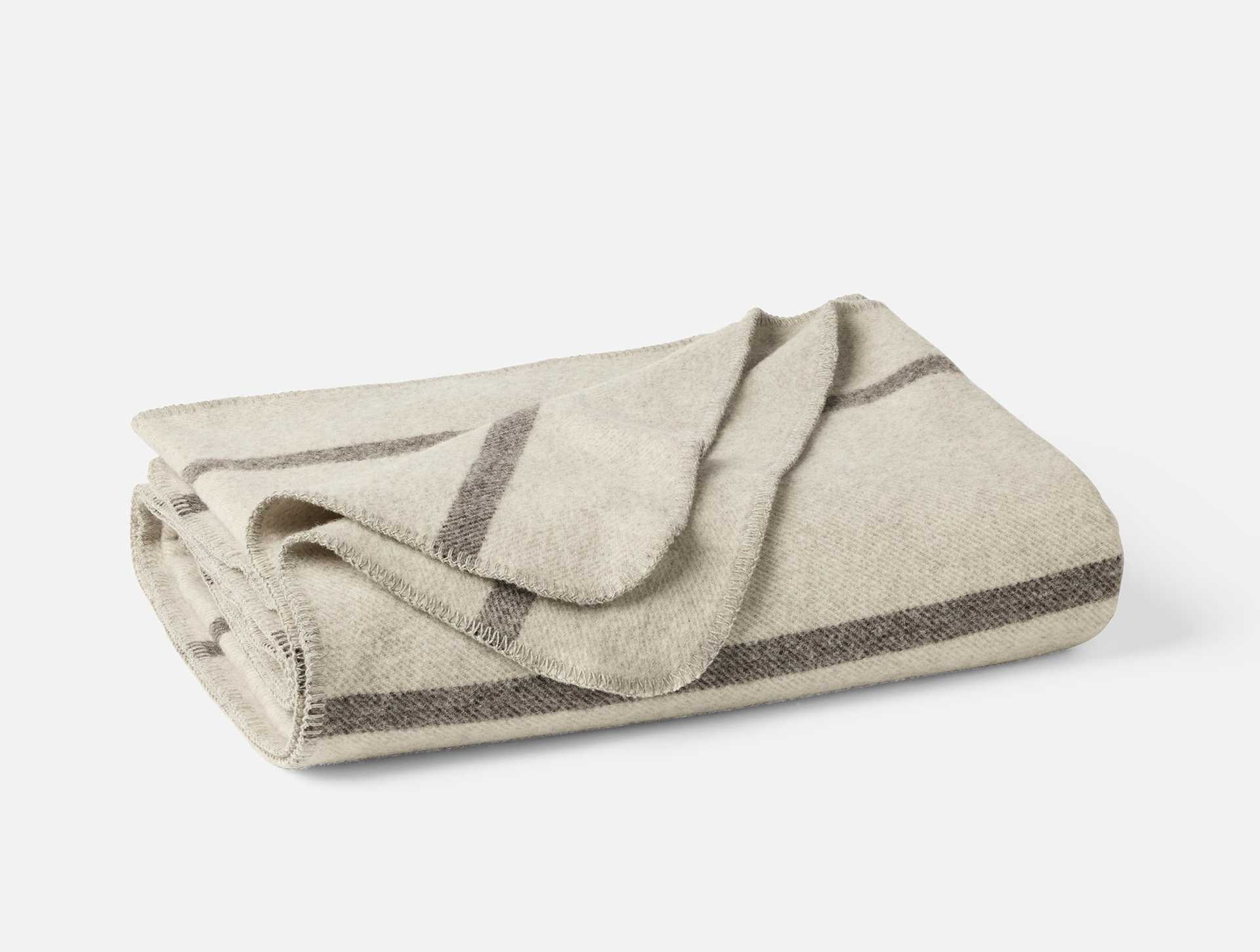
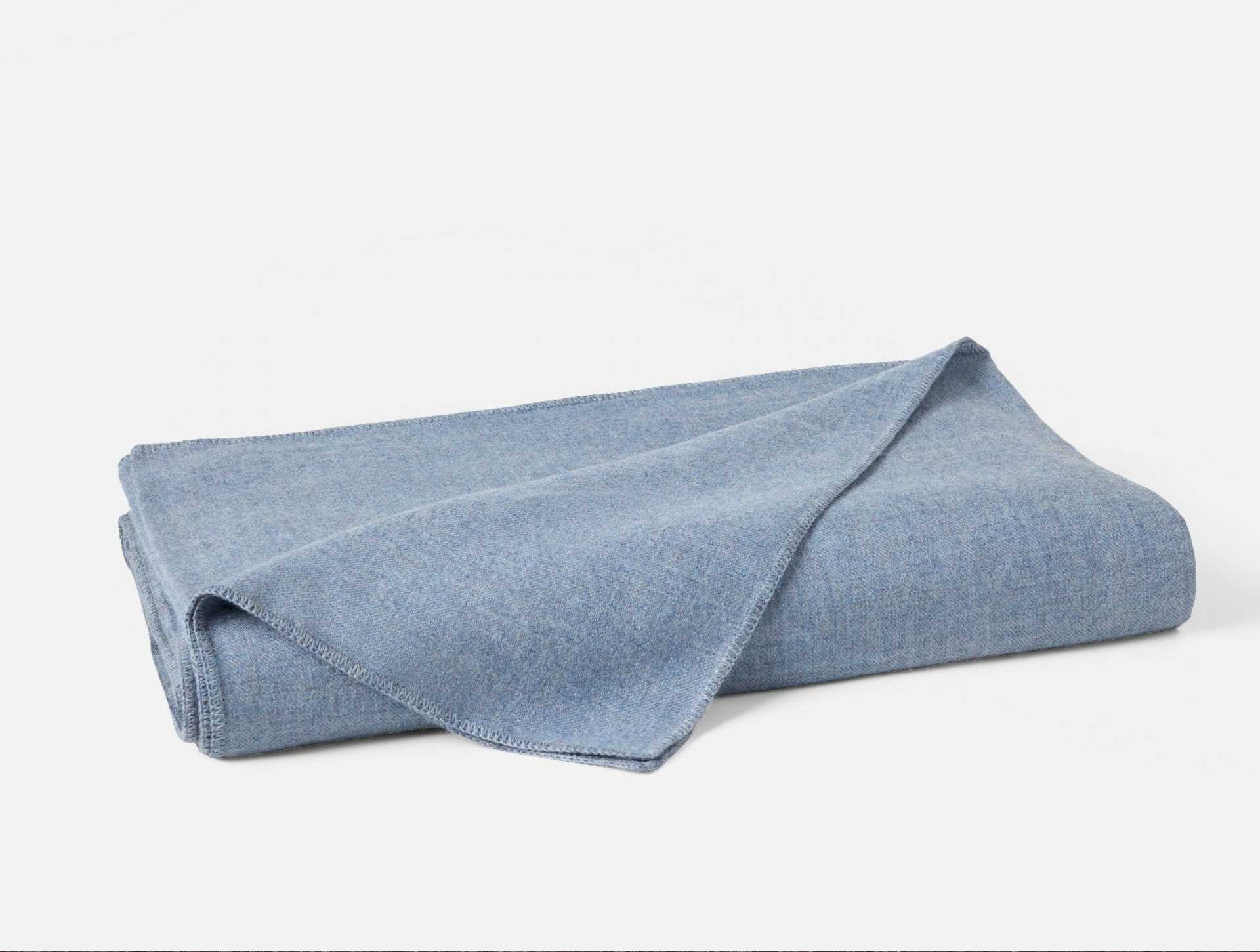
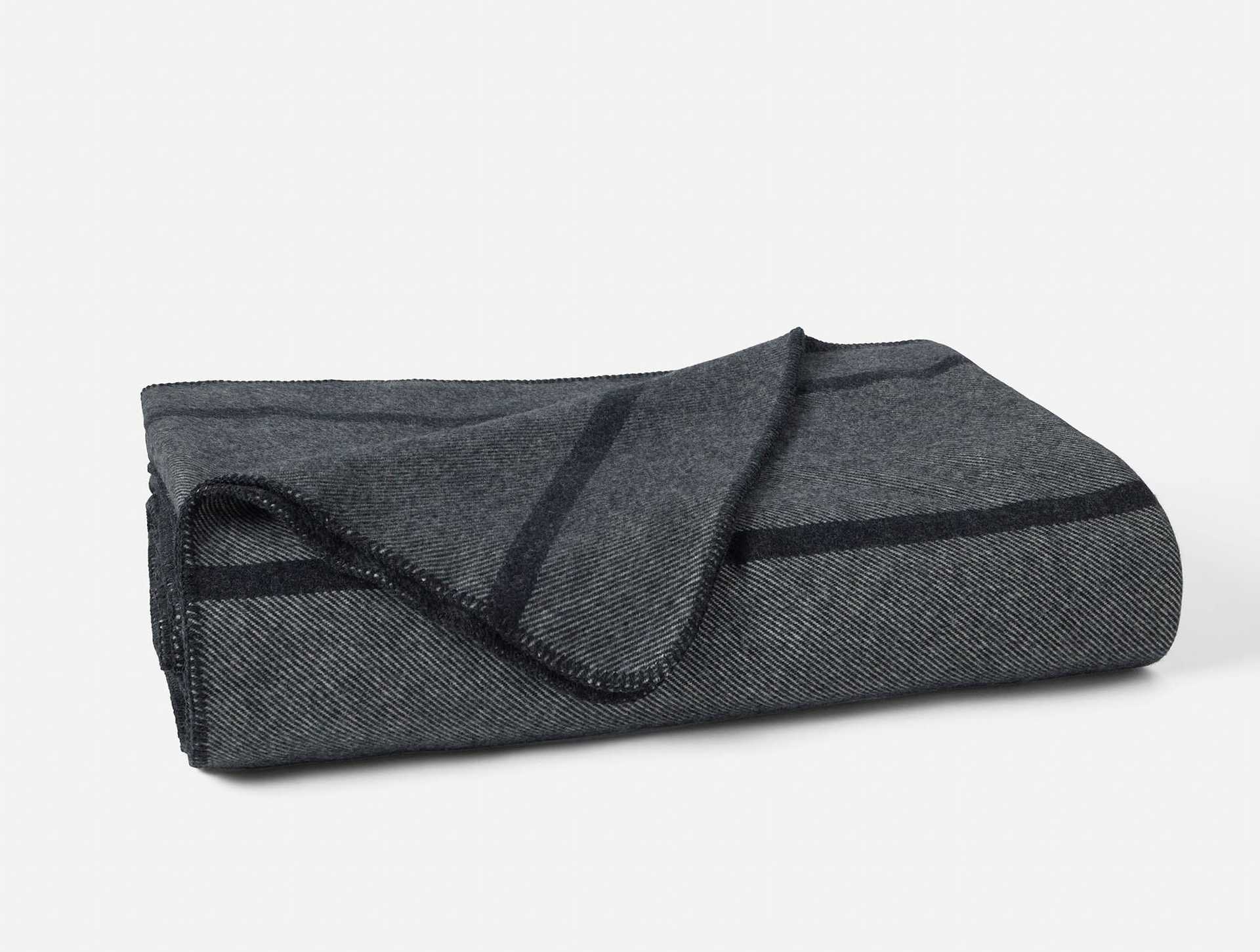
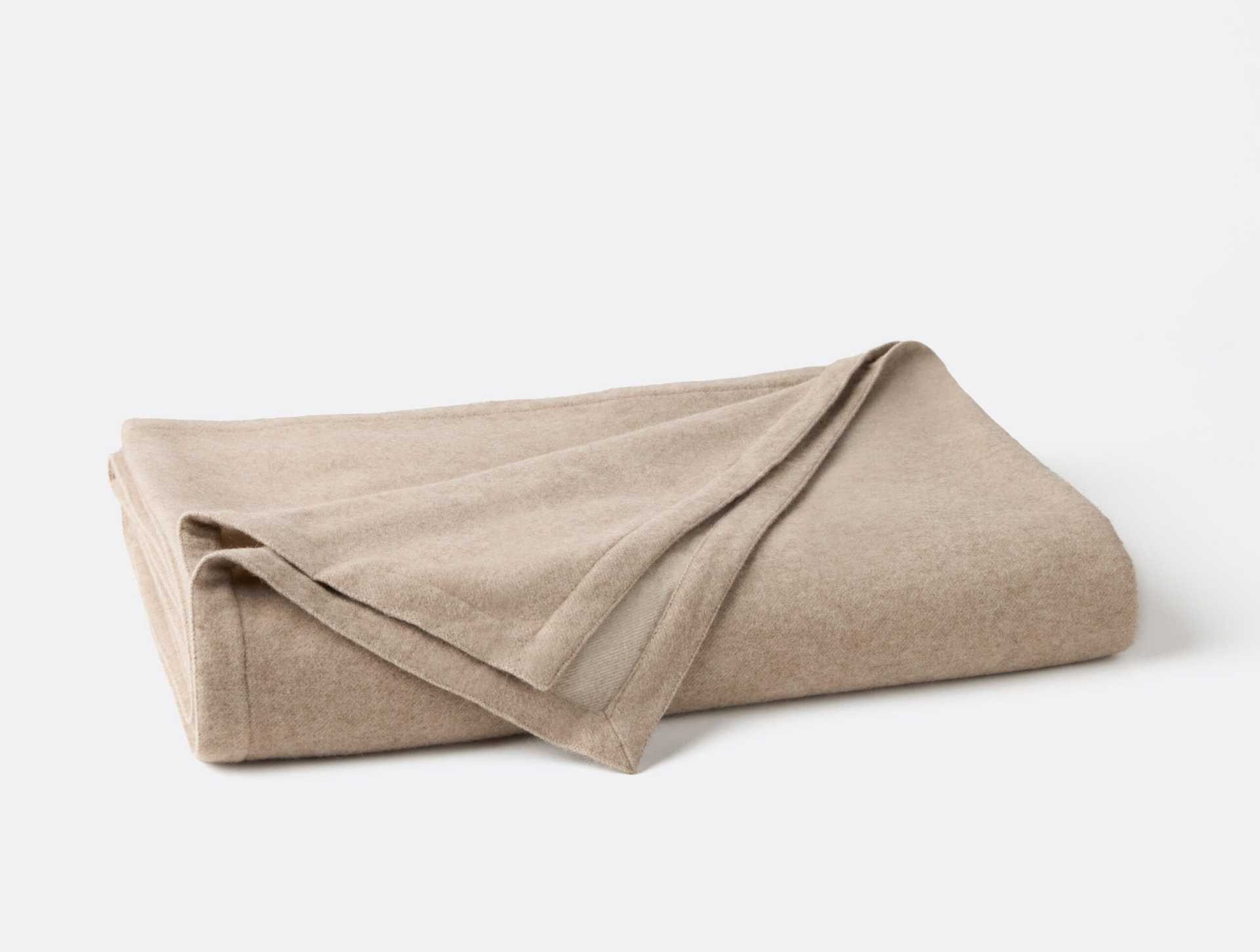
Blankets are versatile bedding layers that add warmth, softness, and comfort across changing seasons. Material, weave, weight, and size influence how a blanket feels and performs, from breathable everyday coverage to a light layer over comforters. Understanding these characteristics helps match a blanket to bedroom temperature, personal comfort preferences, and other bedding.
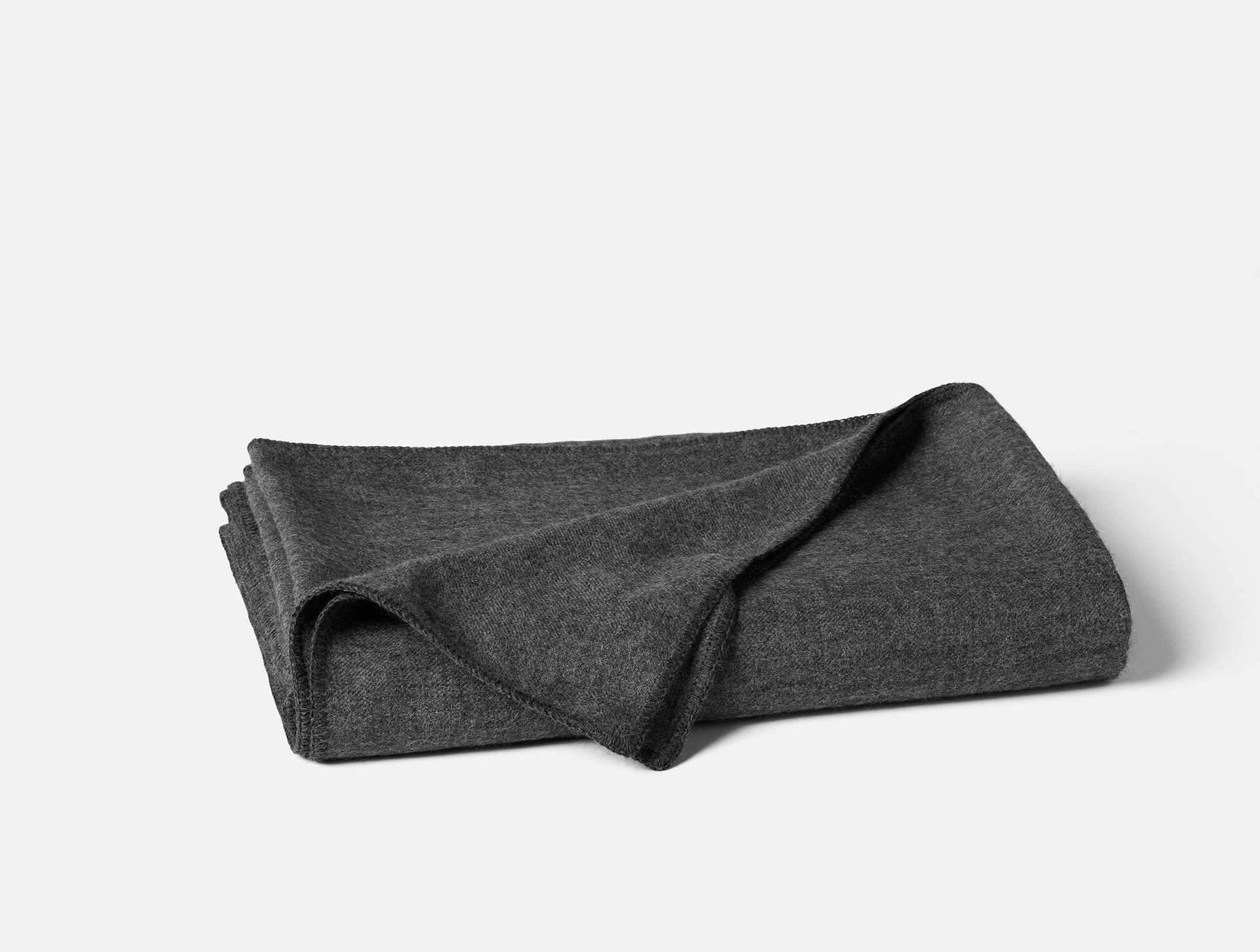
The Tahoe Wool Blanket uses wool’s naturally insulating structure to help retain warmth while remaining breathable. Wool fibers can also manage moisture, supporting comfortable use in cool conditions and during temperature changes. As a practical bedding layer, this blanket can provide standalone coverage or additional insulation over sheets without relying on the weight of a thick comforter.
The Pacaya Alpaca Blanket features alpaca fiber, valued for its soft hand and insulating warmth. Its fiber structure can provide comfortable coverage while keeping the blanket relatively light, making it useful for relaxing or layering on a bed. As with other natural-fiber bedding, care instructions and the weave affect durability, texture, and everyday performance.
The Santa Lucia Cashmere Blanket is made with cashmere, a fine fiber known for its soft feel and warmth in a lightweight form. It can add a gentle layer of insulation to bedding or provide comfortable coverage during rest. Its refined texture distinguishes it from heavier blankets, while attentive care helps preserve the fiber’s softness over time.
Blankets complement a range of bedding, including sheets, comforters, and organic mattresses, by adding adjustable warmth without changing the support beneath the sleeper. They are not substitutes for innerspring mattresses or luxury mattresses, which serve different purposes. Comparing wool, alpaca, and cashmere helps clarify how fiber choice influences breathability, weight, softness, and seasonal use.
 Bedding